
Il serpente come Messia. Rappresentazione alla rovescia del Paradiso nel teatro e nel cinema del XX secolo
DOI:
https://doi.org/10.13130/2035-7680/1171Palabras clave:
Teatro, Cinema XX secoloResumen
This paper analyses the way Paradise appears in different Theatre or Film productions of the XXth century: a biblical epos by the Israelian director Rina Yerushalmi, a film that became a classic, Children of Paradise (Carné, Prévert, 1943), the last show of the Living Theater, Paradise now (1968), and a film by Peter Weir, Truman Show (1998). In all of these productions, the Serpent, deeply negative in the biblical text appears like a positive figure, a kind of Messiah.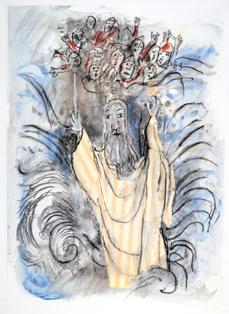
Descargas
Publicado
2011-06-27
Número
Sección
Saggi Ensayos Essais Essays
Cómo citar
«Il serpente come Messia. Rappresentazione alla rovescia del Paradiso nel teatro e nel cinema del XX secolo». 2011. Altre Modernità, junio, 105-10. https://doi.org/10.13130/2035-7680/1171.


 Questa opera è pubblicata sotto