NEW REMAINS OF CASATIA THERMOPHILA (CETACEA, MONODONTIDAE) FROM THE LOWER PLIOCENE MARINE VERTEBRATE-BEARING LOCALITY OF ARCILLE (TUSCANY, ITALY)
DOI:
https://doi.org/10.54103/2039-4942/15459Parole chiave:
Baccinello-Cinigiano Basin, Delphinoidea, Odontoceti, osteoanatomy, palaeocetology, palaeoecology, toothed whales, ZancleanAbstract
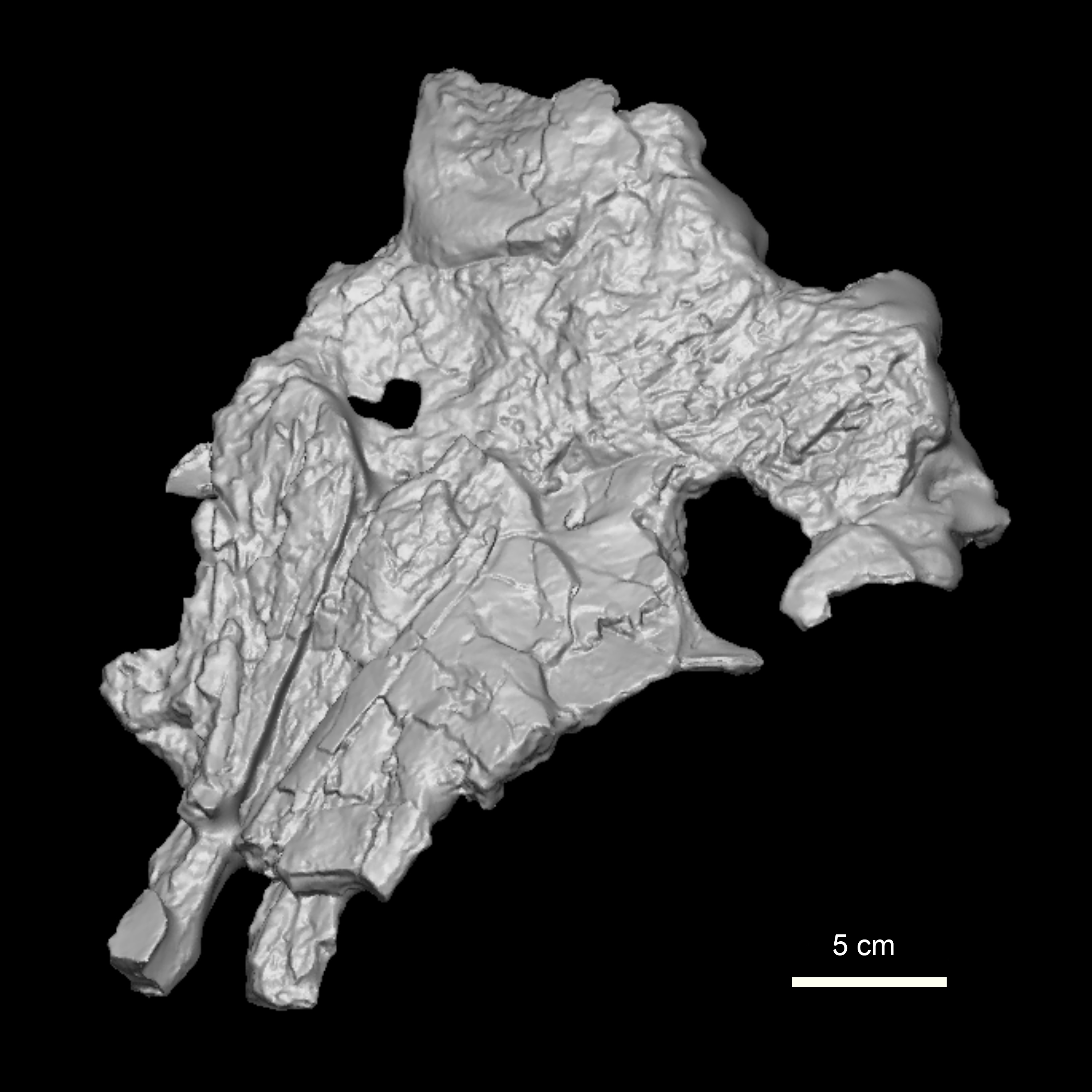
An incomplete cranium, three cervicals (including the axis) and two likely lumbars of a monodontid cetacean are here described from lower Pliocene (ca. 5.1–4.5 Ma) marine sandstones cropping out at Arcille (Grosseto Province, Tuscany, Italy). This fossil find comes from the same locality as the holotype of Casatia thermophila, which it resembles in terms of overall size and cranial morphology, and especially, by displaying a similarly depressed portion of the dorsal surface of the premaxillae anterior to the premaxillary sac fossae and medial to the anteromedial sulci. Our new find is thus assigned to C. thermophila, and significant anatomical parts that are missing in the holotype are described in order to improve the diagnosis of this monodontid species. Some dentigerous fragments of the maxillae hint at a homodont and polydont dentition, which in turn suggests a ram prey capture method that differs from the highly derived suction method that is proper of extant monodontids. This second find of C. thermophila from the warm-water Arcille palaeoenvironment lends further support to the hypothesis that monodontids once thrived in tropical and subtropical habitats.
Dowloads
File supplementari
Pubblicato
Fascicolo
Sezione
Licenza
Copyright (c) 2022 MARCO MERELLA, ALBERTO COLLARETA, VALERIO GRANATA, SIMONE CASATI, GIOVANNI BIANUCCI

Questo volume è pubblicato con la licenza Creative Commons Attribuzione - Non commerciale - Non opere derivate 4.0 Internazionale.

Rivista italiana di Paleontologia e Stratigrafia dihttp://riviste.unimi.it/index.php/RIPS è distribuito con Licenza Creative Commons Attribuzione - Non commerciale - Non opere derivate 4.0 Internazionale.