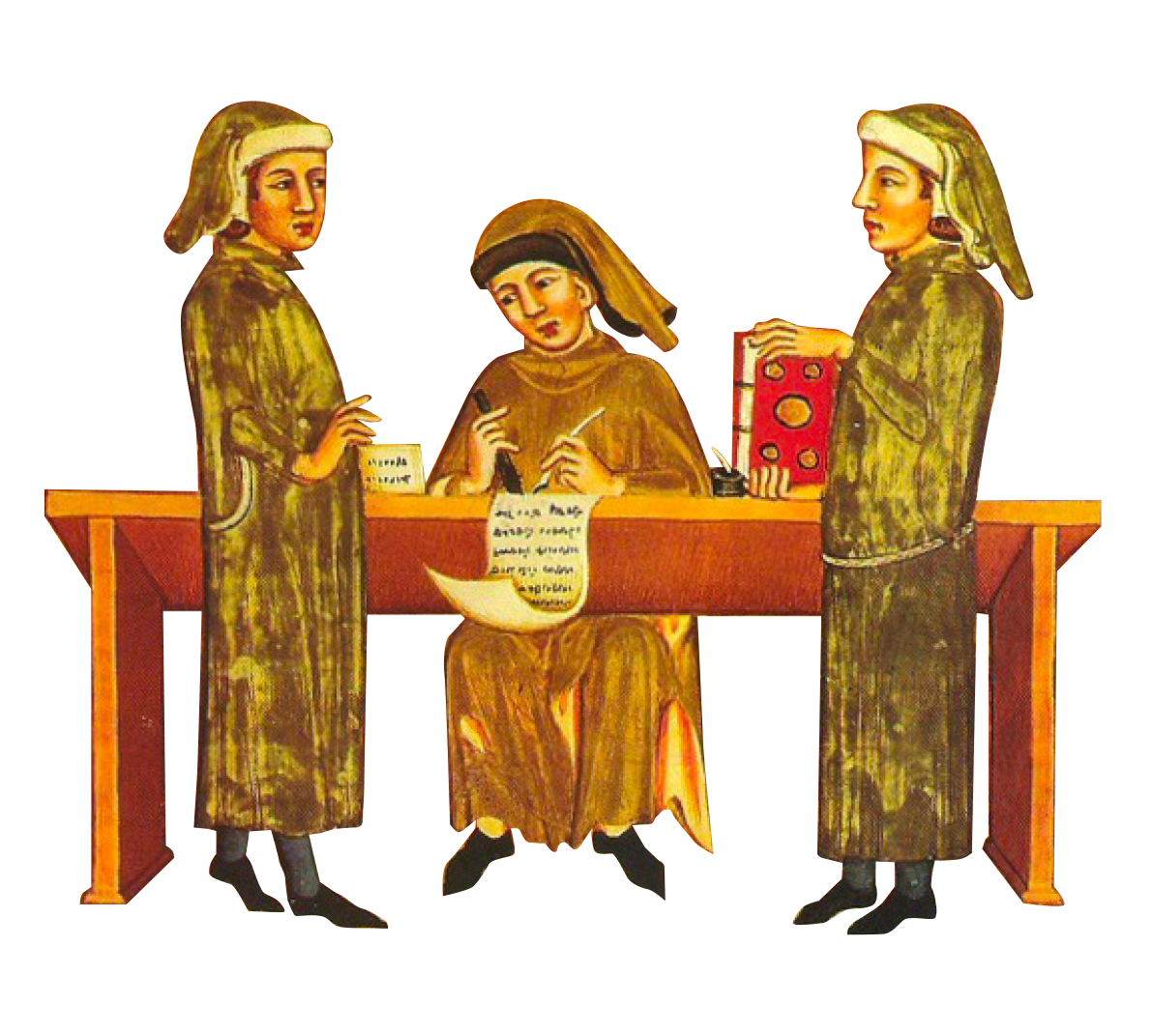
The Longobards in the history of Italy
DOI:
https://doi.org/10.54103/2611-318X/15764Keywords:
Longobards, History of Italy, History of historiographyAbstract
In Italian historiography and culture, the Longobard age has long been considered, prevalently, as a pure parenthesis in the flow of national history, a negative experience marked by the hard domination of a foreign and hostile people, removed in the end expecially thanks to the Papacy, the true defender of Roman and Christian values, rated as the more genuinely national ones. Only a few minority interpretations have read that period as a missed chance for a possible early political unification of the Italian peninsula. Since the middle of the 20th century a more properly scientific attitude of research has inaugurated a new and different season of studies, which accompanies today a fairly widespread interest in the Longobard age and its legacy, reconsidered as an integral part of our complex history even for the southern regions, where the Longobard tradition has had a longer duration.
Downloads
Downloads
Published
Issue
Section
License
Copyright (c) 2021 Claudio Azzara

This work is licensed under a Creative Commons Attribution-NonCommercial-NoDerivatives 4.0 International License.